by Claire Wortley, Content Team contributor
A few years back, I promised my adult daughter that I would take her on a wonderful holiday to Croatia. We planned to have a fantastic time relaxing and enjoying each other’s company. However, there was one issue: I hadn’t flown since developing anxiety and panic disorders, which was more than ten, possibly twenty, years ago. As the morning of our flight approached, so did my concerns.
We had hardly slept because we had to leave so early for our flight. With bleary eyes and feeling groggy, we headed to the bus stop outside our hotel, where we would be picked up and taken to the airport.
Worry number 1 – Tiredness – we all know that tiredness can make anxiety worse, right?
Even though the bus ride to the terminal was brief, it was crowded and loud, which isn’t ideal for someone prone to travel sickness.
Worry number 2 – Travel sickness – all I need is to throw up and humiliate myself and embarrass my daughter.
We arrived with ample time before our flight. Although the line for baggage drop-off was extremely long, we were not concerned as we had a few hours before boarding. I kept smiling at my daughter, pretending everything was alright as minutes turned into one hour and then two. The anxiety was making my stomach uneasy, and I started to fidget. After such a long delay, would we still make it to boarding on time?
Worry number 3 – Missing our flight – if we miss our fight the whole thing will be ruined!
Once on the plane, I was shocked by how limited the space was; it shouldn’t feel this cramped, should it? There seemed to be no air circulation, making it feel very stuffy. How was I supposed to breathe with no air? Sweat trickled down my back, and my mouth was parched. It’s too hot. It’s unbearably hot. I must do something. I can’t breathe! I’m not safe! As the voice of panic grew louder, I felt compelled to act. I had to get off the plane.
Worry number 4 – Panic attack – if I have a panic attack it will be a disaster!
Thankfully, before I got to my feet, I remembered the tools I could use to stop the panic. At first, I told myself that if I ruined this holiday, not only for myself but for my daughter, I would never forgive myself. Not the most compassionate thought, but it was true; I would hate myself for being so weak.
Seeing as this had broken the inner dialogue, it gave me a chance to think about what would ease the panic. I saw the laminated emergency instructions in front of me and began to use them as a fan. This got the air moving around me and brought instant relief. It was then that I noticed just how fast I was breathing, and this needed to change. Using a technique that I practised daily, I was able to slow my breathing and change its pattern. Yes, that was so much better. I smiled at my daughter just as the plane’s air conditioning came on. I was going to do this. I was going to be alright.
————————————————————————————————————-
Travelling abroad can be exciting, but for those who experience anxiety, it often brings a mix of anticipation and stress. The unfamiliar surroundings, language barriers and unpredictable situations can trigger worry and discomfort. Yet, with the right strategies, international travel can become a manageable and even enjoyable experience.
Let’s look at ways that we can reduce anxiety when going on our holidays.
Plan Ahead to Build Confidence
Preparation reduces uncertainty, which is a major source of anxiety. Start by researching your destination thoroughly. Learn about local customs, transport options and emergency contacts. Knowing what to expect helps you feel more in control.
- Create a detailed itinerary
Outline your daily plans but keep some flexibility. Include addresses, phone numbers and opening hours for key places such as hotels, restaurants and attractions.
- Book accommodation with comfort in mind
Choose places with good reviews, quiet environments and easy access to public transport. Familiarity with your lodging can ease worries about safety and convenience.
- Prepare travel documents and backups
Keep your passport, visa, travel insurance and important contacts organised. Scan or photograph these documents and store them securely online or on your phone.
Pack Smart and Light
Overpacking can add physical and mental strain. When packing, it can be helpful to create an outfit list so that you know what goes with what and won’t end up overpacking.
- Bring comfort items
Noise-cancelling headphones, a favourite book, a small blanket or cuddly toy can provide a sense of security during flights or long waits. There are weighted soft toys that help signal to the nervous system to calm down and have proved to be very helpful.
- Include anxiety aids
Consider natural remedies such as lavender sachets or calming teas. If you use prescribed medication, pack enough and keep it accessible.
- Organise your luggage
Use packing cubes or bags to separate essentials. This reduces the stress of searching for items and keeps your belongings tidy.
Manage Travel Day Stress
Travel days often involve tight schedules and crowded spaces, which can heighten anxiety. Use these tips to stay grounded.
- Arrive early
Give yourself plenty of time at the airport or station to avoid rushing. Early arrival reduces pressure and allows time to handle unexpected delays.
- Practise breathing exercises
No Panic recommends breathing in to the count of 4, out to the count of 4, all through your nose, with our mouth closed.
- Stay hydrated and eat well
Avoid excessive caffeine or sugar, which can increase anxiety symptoms. Bring healthy snacks and drink water regularly.
Use Technology to Your Advantage
Smartphones and apps can be powerful tools for managing anxiety while travelling.
- Download translation apps
Language barriers can cause stress. Apps such as Google Translate help you communicate basic needs and understand signs or menus.
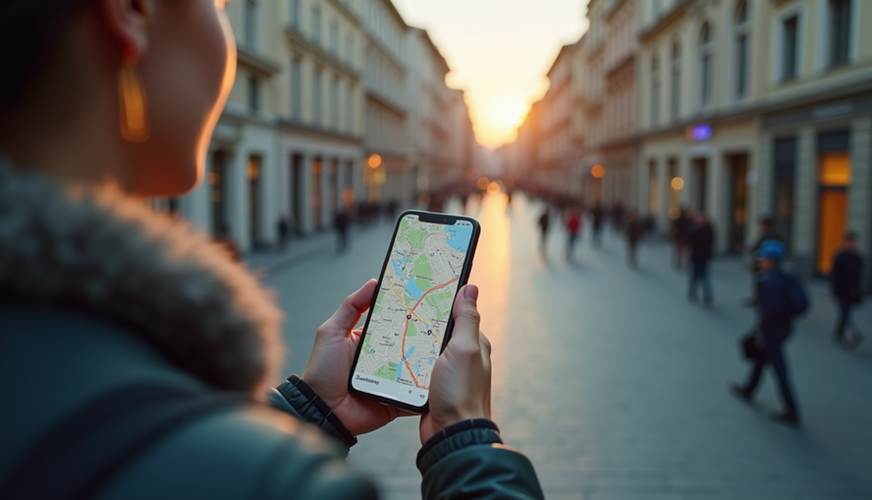
- Use navigation tools
GPS apps reduce the fear of getting lost. Save offline maps in case of poor Internet connection.
- Access relaxation apps
Meditation and mindfulness apps such as Calm or Headspace offer guided exercises to reduce anxiety on the go.
Establish a Support System
Feeling connected can ease anxiety during travel.
- Inform someone you trust
Share your itinerary and check in regularly with a friend or family member. Knowing that someone is aware of your plans provides reassurance.
- Join travel groups or forums
Online communities for travellers with anxiety offer advice, encouragement and shared experiences. If you are a woman travelling solo, be mindful of how much you share.
- Seek professional help if needed
If anxiety feels overwhelming, consult a therapist before your trip, or try No Panic’s Single Session Mentoring. Whatever healthy practice you find supports you, make sure that you practise it before you need it to ensure that it is as effective as possible on the day.
Adapt Your Activities to Your Comfort Level
Not every tourist attraction or activity suits everyone. Tailor your trip to what feels manageable.
- Choose quieter times to visit popular sites
Early mornings or late afternoons often have fewer crowds.
- Allow downtime
Schedule breaks to rest and recharge. Overloading your itinerary can increase stress.
- Try calming activities
Nature walks, museum visits or gentle yoga can help maintain a relaxed state.
Handle Unexpected Situations Calmly
Travel often involves surprises. Preparing mentally for changes helps reduce anxiety.
- Have a backup plan
Know alternative routes, transport options or accommodation.
- Use grounding techniques
Focus on your senses: notice five things you see, four you can touch, three you hear, two you smell and one you taste. This brings attention to the present moment.
- Ask for help
Don’t hesitate to approach staff or locals if you feel lost or overwhelmed. Most people are willing to assist.
Prioritise Sleep and Self-Care
Good rest and self-care are essential for managing anxiety.
- Maintain a sleep routine
Try to go to bed and wake up at consistent times. Use earplugs or eye masks if needed.
- Stay active
Light exercise such as walking or stretching helps reduce tension.
- Eat balanced meals
Nutritious food supports your mood and energy levels.
————————————————————————————————————
Take time to process the tips and apply what is relevant to you. Now, go and enjoy your holidays feeling prepared and confident, and don’t forget to send those postcards!